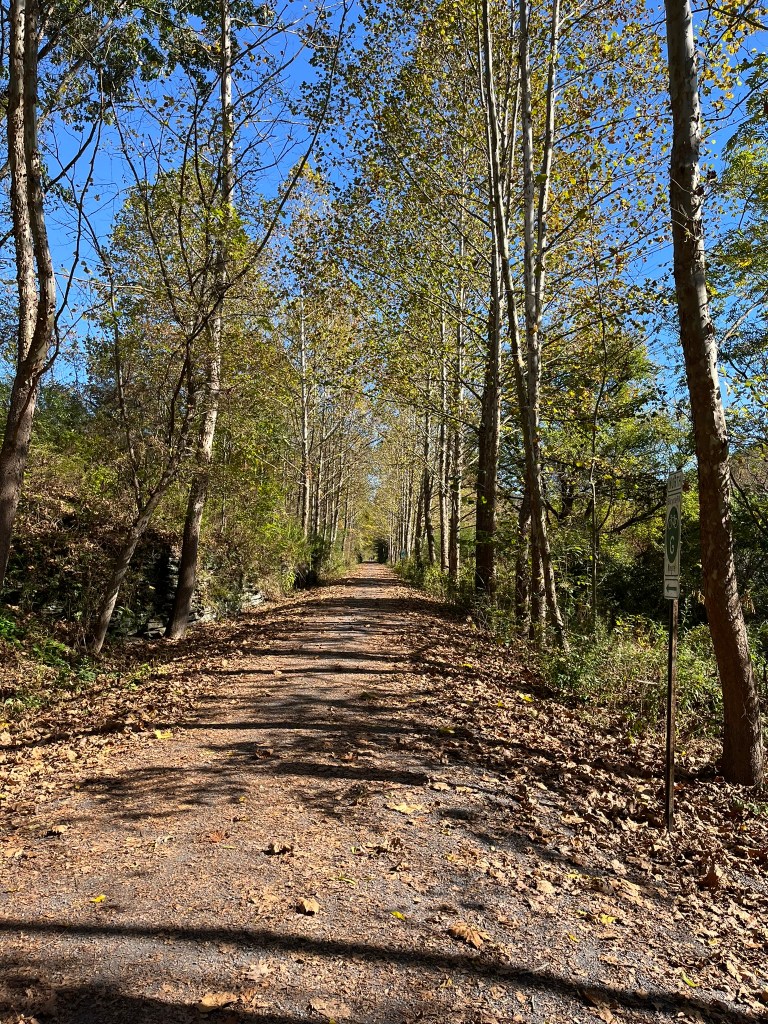

When I was a little girl, my family often took day trips to Wellsboro, Pennsylvania. In truth, “day trip” is a misnomer- any time my Dad turned the family van left out of Avis, we started a pilgrimage. Dedicated worshipers we were, visiting the same places year after year. Pictures, picnics, and family memories dot the mountains around Rt. 44 and Rt. 414.
The forests in the High Allegheny Plateau are gorgeous, and almost wild. Now, there is little in the way of industrial improvement, and the remnants of an agrarian past lie fallow. A handful of homes tucked between the small towns, and the woods are full of hunting camps. Hiking trails, fishing holes, and canoe launches are everywhere. The Pine Creek area is an outdoorsman’s dream.
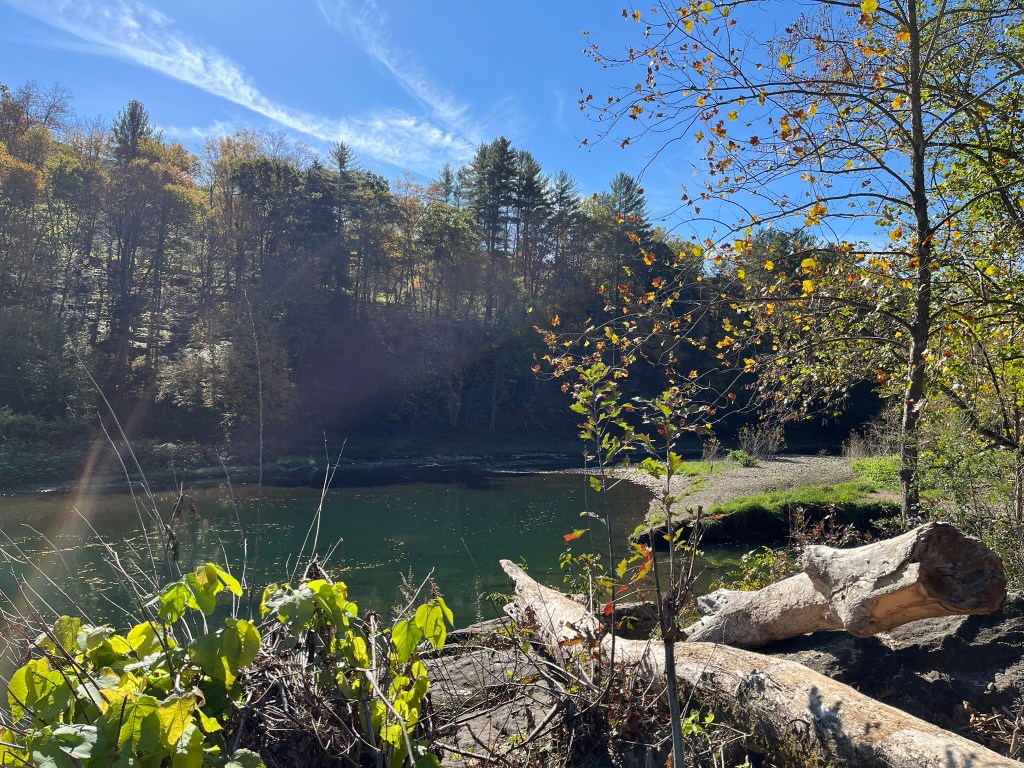
Between Cedar Run and Blackwell is my most favorite place in the world, Rattlesnake Rock. Tucked into a bend of Pine Creek, the rock juts out over the water, offering a beautiful 180 degree view. A short spur trail off the Pine Creek Rail Trail connects the Rattlesnake Rock Access Area and the rock.
As a child, my parents would pack us snacks to have while sitting on the rock, dangling our feet over the edge. In all my life, I have never seen a snake at Rattlesnake Rock, but I have seen evidence of other wildlife. Once, while visiting in the winter, we found an otter slide down the hillside and into the water. Another time, a shift in the rocks revealed an owl’s nest full of feathers and pellets.

In Philip Tome’s Thirty Years a Hunter, he shares a brief interlude at Rattlesnake Rock. He claims that the location was a stopover for traveling Native Americans. The high rock over the water would make a safe vantage point, being able to see upriver and downriver. He camped there overnight and moved on. The story led me to search for his fire ring- even though I was visiting in the early 2000s, almost 200 years after!
Beauty and history aside, Rattlesnake Rock is a geological curiosity. A recent study from Mansfield University claims that Rattlesnake Rock originates elsewhere. Research shows that Rattlesnake Rock is not in aligned with nearby bedrock. This suggests translocation of a block rather than deposition of sediments. The authors believe this happened during the formation of the Pennsylvania Grand Canyon… making Rattlesnake Rock a periglacial feature!

In college, I would drive to Rattlesnake Rock to retreat from the world. During periods of high stress or anxiety, I would leave a note for my friends and take off to unplug from the world. With the water swirling below me, and the sounds of bikers silenced by the thick trees, I could relax. Sometimes, I would take a book and bask in the sun while reading, and once, I took a nap. I have never felt alone at Rattlesnake Rock- instead, I felt immersed in the wild world and at peace.
For the twenty years I have been visiting, I have changed, and so has Rattlesnake Rock. More flora has crept in, and the rock worn smooth from many exploring feet. Parts of the rock have sloughed off into Pine Creek, and the water fluctuates every season. Yet, the heart of the place is the same- wild and wonderful.
Works Cited
Murphy, K. (2022). EVALUATING THE ATTITUDE OF RATTLESNAKE ROCK FROM THE PINE CREEK GORGE, LYCOMING COUNTY, PENNSYLVANIA. Confex.com; GSA. https://gsa.confex.com/gsa/2022NE/webprogram/Paper374904.html
Tome, P. (1928). Pioneer Life; Or, Thirty Years a Hunter. Being Scenes and Adventures in the Life of Philip Tome.
 Autumn Knepp
Leave a comment